
Bills, post and meters: running a Spanish second home from abroad.
Owning a home on the Costa Dorada from another country means paperwork that arrives at an address you only visit a few weeks a year. Most of it is routine, but missing the wrong letter or a meter running for months is costly. Here is how to stay on top of it.
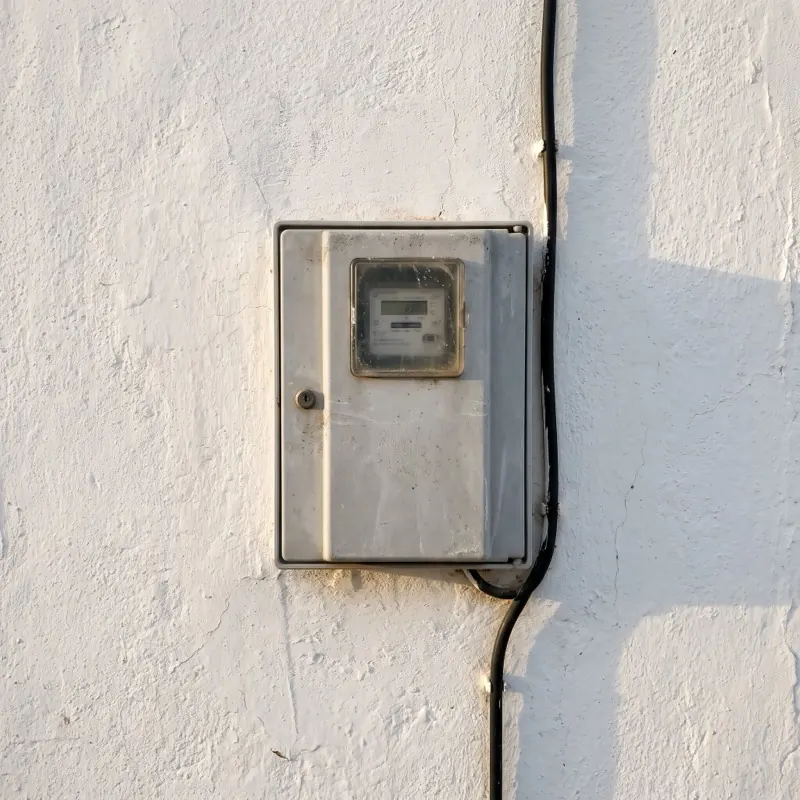
Why read the meters if the house is empty?
Because an empty home should use almost nothing. If the water meter has moved since the last reading and nobody has been in, there is a leak somewhere, often a toilet cistern that keeps running. An electricity reading tells you whether the fridge is still on or something was left running.
A slow leak is invisible for weeks and shows up only on the bill, or as damage to the flat below. Comparing one reading with the next catches it early.
Every visit report we send includes the water and electricity readings with a photo, so you can compare them over time.
How should I pay the bills?
Most owners pay electricity, water, gas and internet by direct debit from a Spanish bank account and ask for bills by email. That way nothing depends on the post. Check the online account of each supplier from time to time to be sure the bills are real readings and not estimates.
Keep a list of your suppliers, contract numbers and the details in whose name each contract is. If something goes wrong, it saves a lot of time on the phone.
What letters come from the town council?
The main one is the IBI, the municipal property tax every owner pays once a year. Many towns also charge for waste collection. These can usually be paid by direct debit. Councils also send notices about works, fines or local rules, so it is worth having letters checked regularly.
Some official letters arrive as registered post. If nobody is there, the postman leaves a slip and the letter waits at the post office for a limited time before it is sent back. Someone emptying your letterbox will see that slip.
What does the community of owners send?
If your home is in a building or an estate with shared areas, there is a comunidad de propietarios. It calls meetings, approves budgets and works, sets the monthly or quarterly fees and sends minutes and notices, for example about façade, roof or pool works, or about access to your home.
Most communities are run by a professional administrator, the administrador de fincas. Give them your email and phone number abroad, so notices reach you directly and not only the letterbox. If you cannot attend a meeting, you can usually delegate your vote in writing.
What about parcels?
Parcels sent to an empty home are a common problem: couriers leave them with a neighbour, at a pick-up point or take them back. If you order before a stay, have them delivered to someone who can receive them, or ask us: we pick up and deliver a parcel for €15.
The same applies to a technician who needs to get in, for example to read a meter or install internet. We can wait in for them, at €39 an hour.
Do I have to pay tax in Spain as a non-resident owner?
Non-resident owners have Spanish tax obligations on their property, even if they never rent it out, and the rules depend on your situation and country. We don't give tax advice: ask a gestoría or a tax adviser who works with non-residents, and they will tell you what applies to you.
What we can do is make sure you see every letter that matters. Our job is the home itself: visits, meters, post, keys and repairs.
Checklist: keeping on top from abroad
Print it or keep it on your phone.
- Set up direct debit for electricity, water, gas and internet from a Spanish account.
- Ask every supplier for bills by email and keep their online logins.
- Write down contract numbers and the name on each contract.
- Note the water and electricity readings when you leave and compare them later.
- Set up direct debit for the IBI and any council waste charge.
- Give the community administrator your email and phone number abroad.
- Ask for the minutes of each community meeting.
- Arrange for the letterbox to be emptied on a fixed schedule.
- Have parcels delivered to someone who can receive them.
- Find a gestoría or tax adviser who works with non-resident owners.